LATEST NEWS ABOUT LUVERRE QUARTZ

Home / News
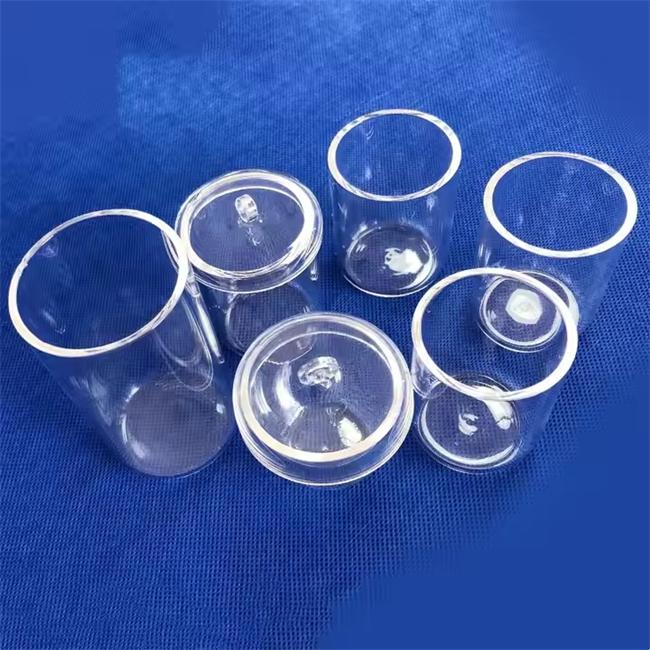
  • Quartz Crucible Vs Ceramic Crucible
    2026-10-10
    Quartz Crucible vs Ceramic Crucible: Which One Should You ChooseChoose a quartz crucible when you need ultra-high purity (99.99%+ SiO₂), transparency for process monitoring, and excellent thermal shock resistance up to about 1,100°C–1,200°C continuous use. Choose a ceramic crucible (alumina, porcela
  • How To Choose The Right Quartz Crucible
    2026-10-08
    As a procurement manager or engineer, selecting the correct quartz crucible is critical. A poor choice can lead to contamination, thermal shock failure, or costly production downtime. Whether you are in the semiconductor, photovoltaic, or laboratory industry, understanding the technical nuances of q
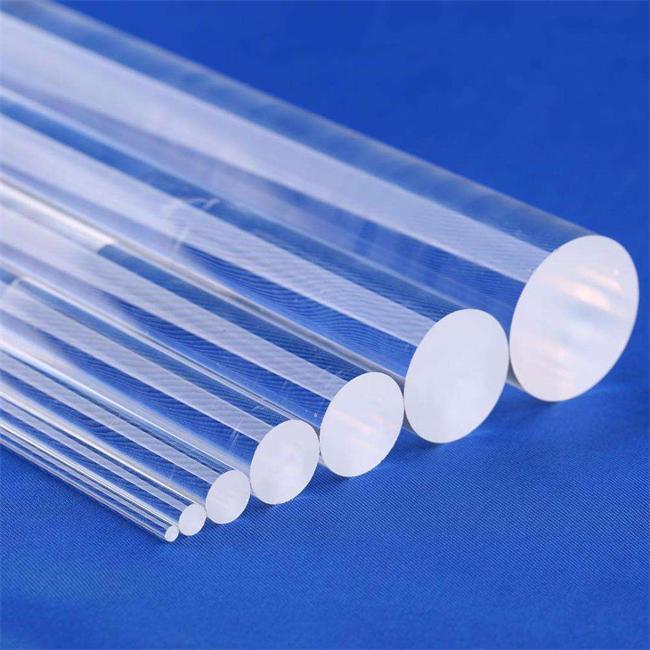
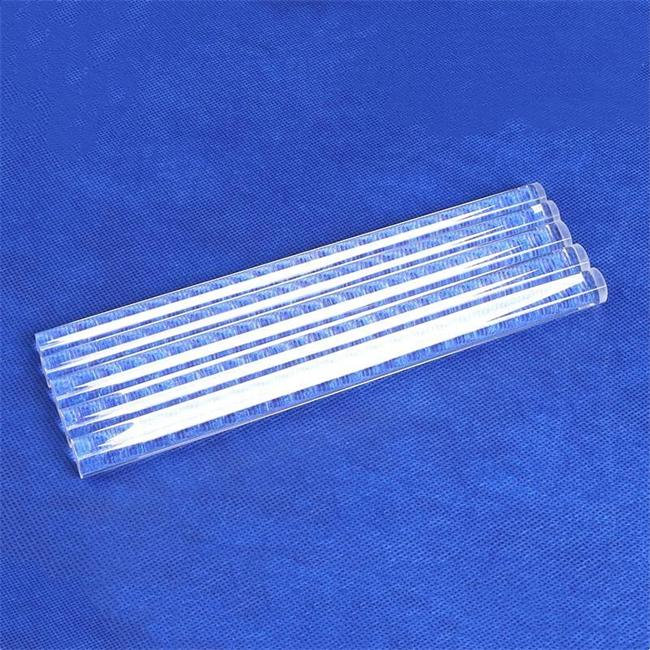
  • Quartz Rod Vs Glass Rod
    2026-09-29
    Quartz rods are significantly better than glass rods for high-temperature applications. While standard glass rods soften around 700°C–800°C, fused quartz rods can withstand continuous operating temperatures up to 1100°C–1200°C, with short-term resistance up to 1450°C. Beyond thermal limits, quartz o
  • How To Choose A Quartz Rod
    2026-09-24
    When choosing a quartz rod, the most critical factors are the required purity level (99.99%+), the operating temperature, and the specific dimensional tolerances. Quartz rods are available in transparent or opaque finishes and can be custom-machined to precise diameters and lengths. For specialized
  • Quartz Plate Vs Glass
    2026-09-22
    For high-temperature, high-purity, and precision optical or semiconductor applications, Quartz Plate (Fused Silica) is the superior choice due to its near-zero thermal expansion, extreme heat resistance (up to 1100°C+), and high UV transmission. Standard glass (like Soda-Lime or Borosilicate) is onl
  • Quartz Plate Properties
    2026-09-20
    Quartz plates (fused silica plates) are defined by four critical properties: continuous operating temperatures up to 1100°C, near-zero thermal expansion, exceptional UV transmission (down to 185nm), and chemical inertness against most acids. These characteristics make quartz plates the superior choi
  • How To Choose A Quartz Plate
    2026-09-17
    Choosing the right quartz plate comes down to four decisions: matching the thickness to your thermal and mechanical load, selecting the correct size and tolerance class, specifying the machining operations your application requires, and confirming whether a standard stock size works or a custom-cut
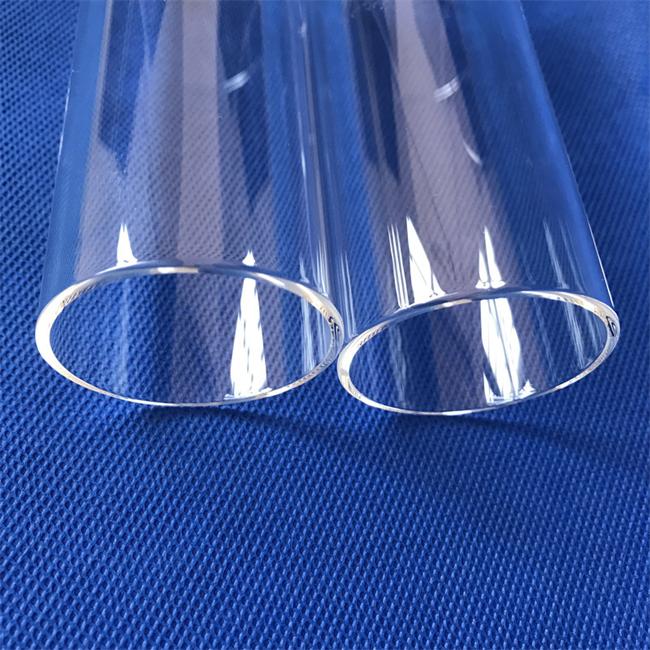
  • Quartz Tube Vs Glass Tube: Best for High Temperature
    2026-09-15
    For high-temperature applications exceeding 500°C, quartz tubes (fused silica) are significantly better than standard glass tubes. Quartz tubes withstand continuous operating temperatures up to 1100°C and short-term exposure to 1450°C, while borosilicate glass tubes typically soften around 820°C and
  • Where Can Quartz Tubes Be Used
    2026-09-11
    Quartz tubes are used wherever extreme heat, chemical exposure, UV transmission, or dimensional precision makes ordinary materials unsuitable. The five industries that rely on quartz tubes most heavily are semiconductor manufacturing, high-temperature furnace engineering, optical and UV equipment, c
  • How High Temperature Can a Quartz Tube Withstand
    2026-09-09
    Quartz tubes can withstand up to 1100°C for continuous operation and up to 1200°C for short-term use (typically less than 3 hours). The softening point — where deformation begins — is approximately 1650°C, but this is a failure limit, not a working temperature. The true performance limit is determin
  • Total 41 pages  Go to Page
  • Go

QUICK LINKS

PRODUCT CATEGORY

CONTACT US

Add: 1st floor Runlian industrial center No. 116 QuFeng Rd., Haizhou Economic and technological development zone Lianyungang City, Jiangsu Province, China 222062
WhatsApp: +86-13961398430
Tel: +86-518-85528012
Phone: +86-13961398430
CONTACT US INQUIRE NOW
Copyright  2022 Luverre(LYG) Technology Co., Ltd. All rights reserved.  Sitemap | Support By Leadong.