T: +86-518-85528012
E: nick@luverrequartz.com
E: nick@luverrequartz.com
1st floor Runlian industrial center No. 116 QuFeng Rd., Haizhou Economic and technological development zone Lianyungang City, Jiangsu Province, China 222062
Views: 0 Author: Site Editor Publish Time: 2026-08-06 Origin: Site


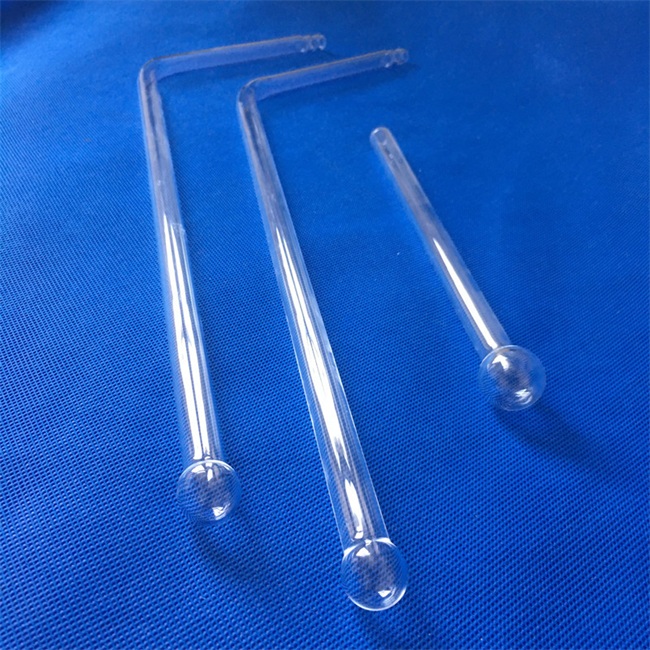
High-temperature furnace quartz components, such as furnace core tubes, wafer boats, and quartz flanges, are essential for semiconductor, optical fiber, and metallurgical processes operating up to 1,300°C . These components leverage the unique thermal shock resistance and chemical inertness of high-purity quartz. Sourcing these parts often presents challenges related to non-standard sizes, high precision requirements, and tight delivery schedules. Custom quartz manufacturers offer solutions through OEM/ODM services, processing from drawings or samples, with flexibility on order quantity and a focus on rapid global delivery.
What Are High-Temperature Furnace Quartz Components?
Answer: High-temperature furnace quartz components are precision-engineered parts made from fused quartz glass, designed to withstand extreme thermal environments (up to 1,300°C) in industrial furnaces.
Explanation: Unlike standard glass, high-purity quartz glass (SiO₂ content > 99.99%) possesses exceptional properties that make it indispensable in demanding furnace applications . These components serve as critical reaction chambers, carriers, and liners in furnaces used for semiconductor wafer processing, optical fiber preform manufacturing, and specialized metallurgical heat treatments .
The unique value of quartz lies in its low coefficient of thermal expansion (0.55 × 10⁻⁶/K), which grants it outstanding thermal shock resistance . This allows furnace components to endure rapid temperature changes without cracking, a feat impossible with standard materials.
What Are the Key Quartz Components Used in High-Temperature Furnaces?
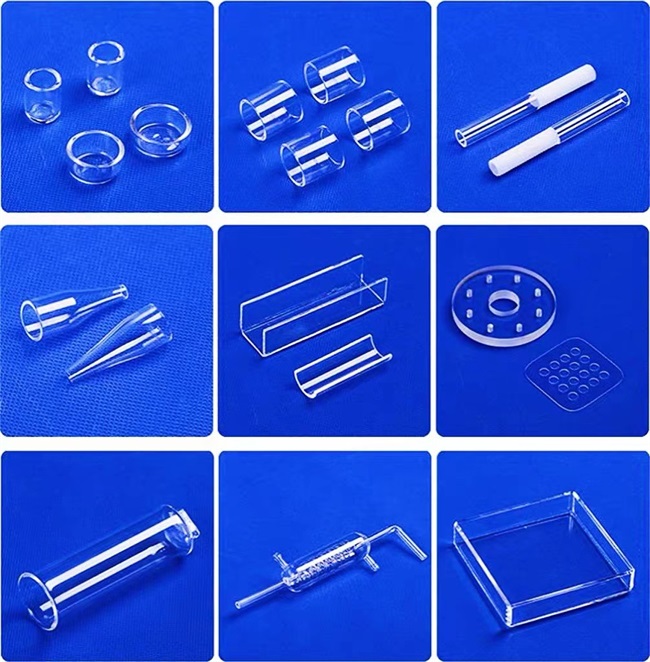
Answer: Key components include Quartz Tubes (core tubes/liners), Quartz Boats (wafer carriers), Quartz Flanges, Quartz Rings, and custom-machined parts like baffles and injectors.
Explanation: To ensure the integrity of high-temperature processes, manufacturers rely on a suite of specialized quartzware, each serving a distinct function .
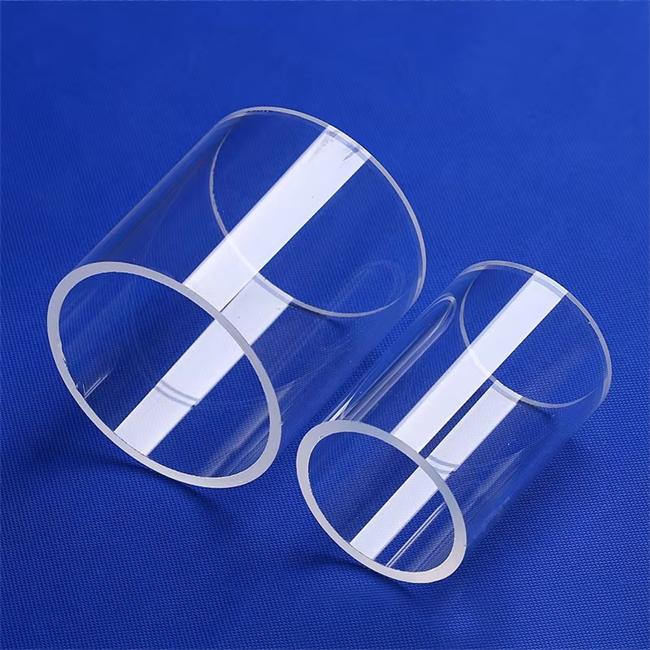
- Quartz Furnace Core Tubes (Process Tubes): The primary reaction chamber. In diffusion and oxidation furnaces, they provide a chemically pure and thermally stable environment essential for semiconductor fabrication .
- Quartz Boats and Wafer Carriers: Used to hold silicon wafers or other substrates during processing. Their design ensures uniform heating and minimal contamination .
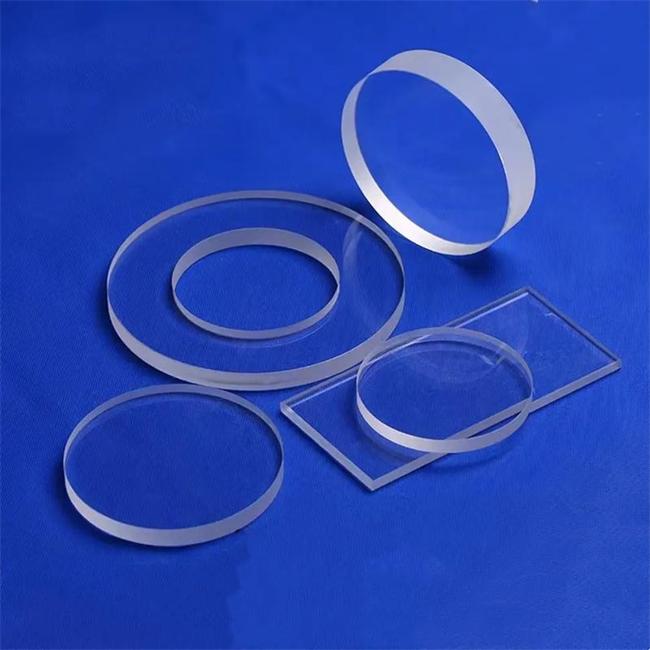
- Quartz Flanges and Rings: Used for sealing, connecting process tubes, and supporting loads within the furnace, often requiring high dimensional accuracy.
- Quartz Baffles and Shields: Manage gas flow, thermal profiles, and protect other furnace components from contamination .
Why Use Quartz in High-Temperature Applications?
Answer: Quartz is used for its unique combination of thermal shock resistance, chemical inertness, and high-temperature stability, which prevents contamination and extends component life.
Explanation: In a high-temperature furnace, the choice of material is critical to process purity and equipment reliability. Quartz outperforms alternatives due to several intrinsic properties:
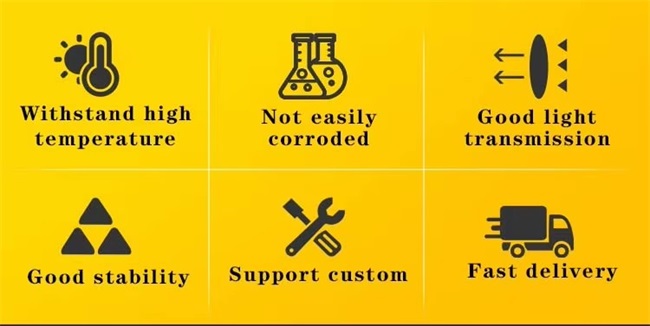
- Exceptional Thermal Resistance: Capable of withstanding continuous temperatures up to 1,200°C–1,300°C, quartz maintains its structural integrity where borosilicate glass fails .
- Superior Thermal Shock Resistance: The material's extremely low thermal expansion coefficient allows it to survive rapid heating and cooling cycles, a common occurrence in semiconductor and metallurgical processes .
- Chemical Inertness: Quartz is resistant to most acids, halogens, and corrosive gases, ensuring that the process environment remains contamination-free. This is vital in semiconductor applications where trace metal contamination can devastate chip yields .

Which Industries Rely on High-Temperature Quartz Components?
Answer: The primary consumers are the semiconductor, optical fiber, and metallurgical industries.
Explanation: These industries demand the precision and purity that quartz provides for their core manufacturing processes .
1. Semiconductor Industry: The largest market, accounting for 42% of demand for quartz furnace tubes . Quartz is indispensable for wafer processing in diffusion, oxidation, and CVD (Chemical Vapor Deposition) tools . As chip architectures shrink, the demand for ultra-high-purity quartz increases.
2. Optical Fiber Production: Quartz is used in the "preform" manufacturing process where glass for fiber optics is created. Maintaining precise temperature conditions is essential, and quartz components provide the required stability .
3. Specialized Metallurgy: Modern metallurgical processes, particularly for high-purity metals used in electric vehicle batteries, require furnace components that can withstand high temperatures while minimizing contamination .

What Are the Biggest Sourcing Challenges for Furnace Quartz Parts?
Answer: The main challenges are finding non-standard sizes, meeting high precision requirements, securing low-volume prototypes, and ensuring rapid delivery.
Explanation: Our experience as a sourcing partner has identified several persistent pain points for procurement managers and engineers.
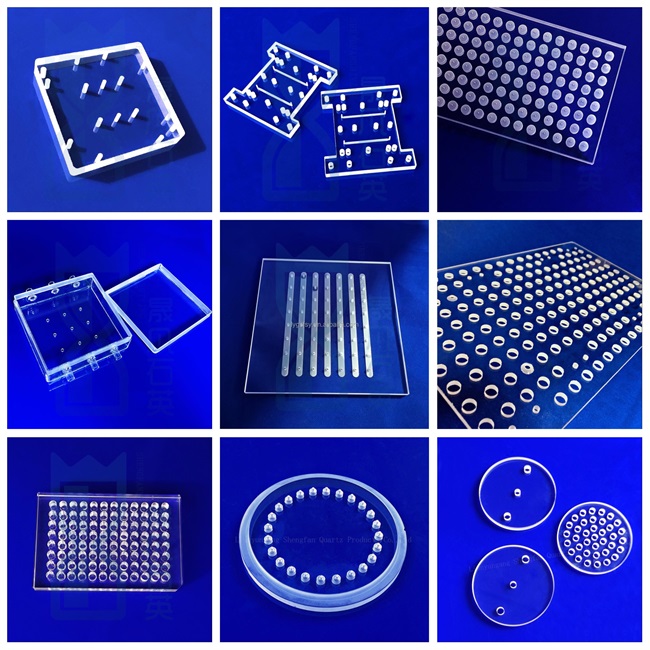
- Non-Standard Specifications: Standard catalogs rarely list the exact sizes of furnace tubes or complex boat geometries required for custom-built or legacy equipment .
- High Precision Requirements: To ensure proper sealing and uniform heat distribution, components often require tight dimensional tolerances that are difficult for low-quality suppliers to achieve.
- Difficulty in Small-Batch Orders: Major suppliers often prioritize large-volume contracts, making it challenging for R&D labs or specialized OEMs to order prototypes or small production runs (Low MOQ) .
- Quality Inconsistency: Variability in material purity can lead to component failure at high temperatures, causing costly furnace downtime.
How to Select the Right Quartz Supplier for Your Needs
Answer: Select a supplier based on their ability to support custom designs (OEM/ODM), their material purity, their precision machining capabilities, and their flexibility regarding order quantity.
Explanation: When evaluating potential partners, consider this checklist:
1. Customization & Engineering: Can they support "custom quartz parts" and work from drawings or samples? A good supplier will offer both OEM and ODM services .
2. Material Quality: Do they source high-purity quartz (e.g., 99.99% SiO₂)? This is non-negotiable for high-temperature applications to prevent sagging or devitrification .
3. Manufacturing Capabilities: Assess their "precision machining" capability. Can they achieve the required tolerances for your specific part? This includes capabilities like core drilling, grinding, and CNC machining .
4. Flexibility: Can they accommodate a "low MOQ"? This is a key differentiator for many medium-sized enterprises and labs.
5. Delivery Speed: Look for suppliers with a track record of "rapid delivery" and experience in "global export."
Custom Specifications & Manufacturing Capabilities
Answer: We specialize in manufacturing any "high-temperature furnace quartz part" according to your exact specifications, with no minimum order quantity required.
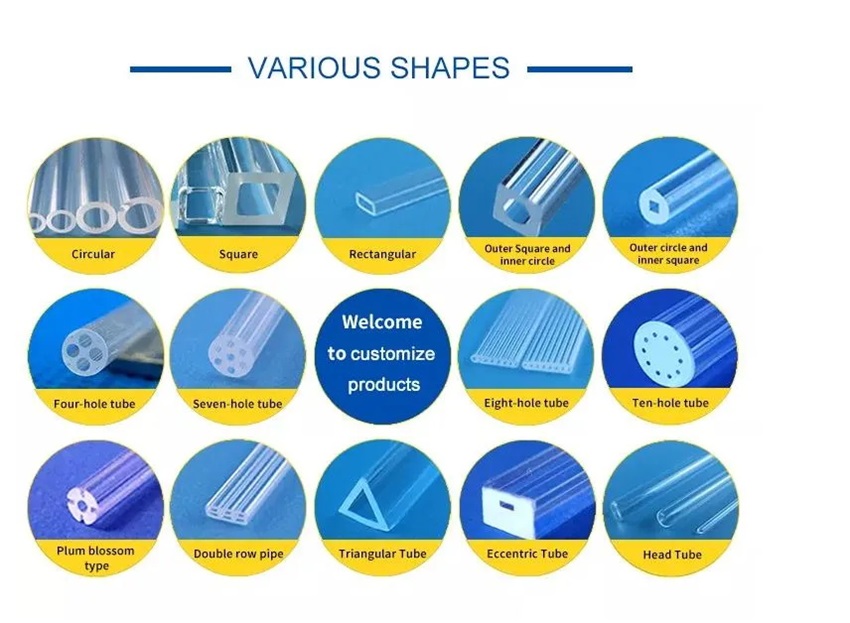
Explanation: We understand that the need is not always for a standard part. Our "custom quartz parts" service is designed to meet the exact demands of your application.
- OEM/ODM Services: We manufacture to your specific drawings or even produce parts from physical samples.
- Material Grades: We source high-purity, low-OH quartz materials suitable for temperatures up to 1,300°C, often utilizing stabilized grades to prevent sagging at high temperatures .
- Precision Machining: Our fabrication capabilities include deep grinding, core drilling, and sophisticated CNC machining to achieve tight tolerances .
- Volume Flexibility: We support from small prototype batches to large-scale production runs, helping you manage inventory without a high upfront cost.
Frequently Asked Questions (FAQ)
Q1: What is the maximum working temperature for quartz furnace tubes?
A: Standard high-purity quartz can withstand up to 1,200°C, while specialized grades can operate at up to 1,300°C .
Q2: Can you manufacture quartz parts based on my drawings or samples?
A: Yes. We offer full OEM/ODM services and can produce parts from customer-supplied drawings, CAD files, or physical samples.
Q3: Do you have a Minimum Order Quantity (MOQ)?
A: No, we support low MOQ and can accommodate small-batch prototyping as well as mass production .
Q4: What industries commonly use these quartz components?
A: They are primarily used in the semiconductor, optical fiber, and metallurgical industries, especially in diffusion, oxidation, and CVD furnaces .
Q5: How quickly can you deliver custom quartz parts?
A: We offer rapid delivery. The exact lead time depends on the complexity of the part and current production schedules, but we are flexible to meet urgent needs.
Q6: How is quartz different from regular glass in furnace applications?
A: Quartz has a much higher melting point, far superior thermal shock resistance, and remains chemically inert at high temperatures, whereas standard glass would melt or contaminate the environment.
Q7: What purity level of quartz do you use?
A: We use high-purity quartz with >99.99% SiO₂ content, essential for preventing contamination in sensitive processes .
Q8: What are the most common types of quartz components for furnaces?
A: Common types include furnace core tubes, wafer boats, flanges, rings, baffles, and injectors .
Q9: Why is quartz better than metals like tungsten for furnace tubes?
A: Quartz is an excellent electrical insulator, while metals are conductive. In many furnaces, the process chamber must not interfere with the heating elements, making quartz a superior choice.
Q10: What is devitrification and how do you prevent it?
A: Devitrification is the process of quartz turning into cristobalite, which weakens the material. It's caused by contaminants at high temperatures. Using high-purity materials and avoiding touching the quartz with bare hands are key prevention methods.
Q11: Do you provide quality control reports with shipments?
A: Yes, we perform rigorous inspections on dimensions and material quality and can provide quality control reports upon request.
Q12: Can quartz furnace tubes be repaired?
A: Minor damage can sometimes be repaired, but more often, components are replaced to ensure consistent quality and safety. We can manufacture identical replacements from your drawings.
Q13: Are your products suitable for high-vacuum applications?
A: Yes, our quartz furnace tubes and flanges are designed to maintain a high vacuum seal, which is essential for many semiconductor processes.
Q14: Do you manufacture quartz parts for legacy furnace models?
A: Yes. We can reverse-engineer legacy parts from your samples or drawings to replace obsolete components.
Q15: What is the global demand outlook for quartz furnace components?
A: The market is growing rapidly, primarily driven by the semiconductor industry, with projections showing significant growth through the next decade .

Why Choose Us
Answer: Our company is a trusted global manufacturer offering "custom high-temperature quartz parts" with unmatched flexibility, quality, and service.
Explanation: We are more than just a manufacturer; we are your strategic partner for solving complex sourcing problems.
- Expertise: With over 20 years of experience, our engineering team understands the operational demands of high-temperature processes.
- Full Customization: We offer extensive "customization options," from the material grade to the final dimensional tolerance.
- Flexible Operations: We have no MOQ, allowing us to serve a wide range of customers, from university labs to major multinational manufacturers.
- Global Supply Chain: We have extensive "global export" experience, ensuring your order arrives safely and on time, anywhere in the world.
Luverre Quartz manufactures and sells a wide range of high quality quartz glass, including quartz tubes, quartz plates, quartz rods, quartz windows, quartz crucibles, quartz boats, quartz flanges, quartz beakers, quartz glass instruments, and more. We can meet all kinds of customized requirements for quartz glass products.
