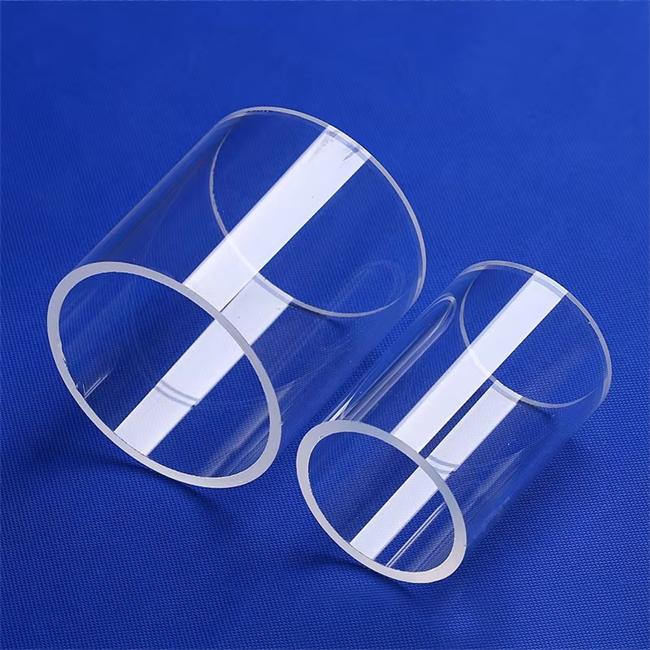
Quartz tubes are among the most versatile components in high-temperature processing, optical systems, and semiconductor manufacturing. However, selecting the wrong specification can lead to premature failure, contamination, or costly production downtime.
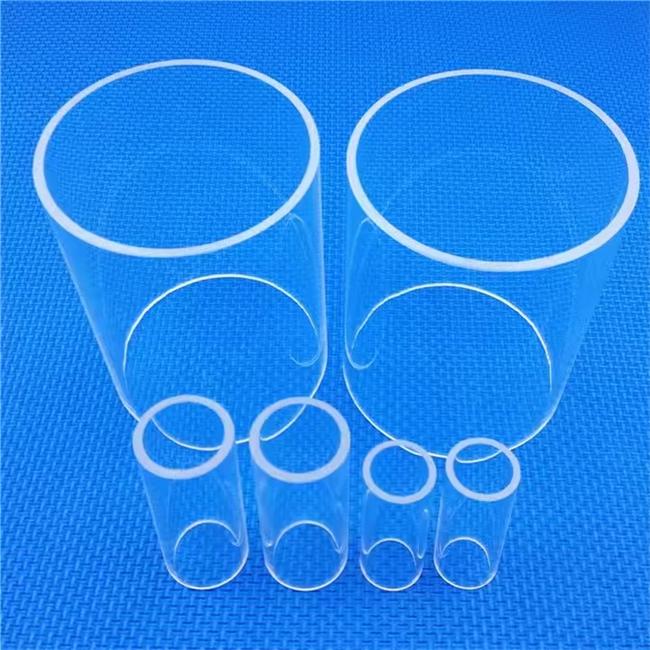
What Is a Quartz Tube?
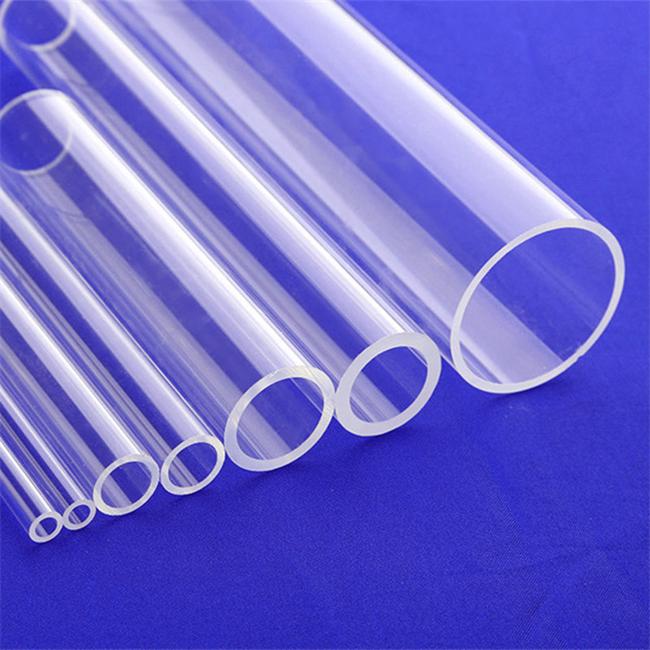
Quartz tube is a cylindrical component manufactured from high-purity fused silica (SiO₂). It is valued for its exceptional thermal shock resistance, high-temperature stability, excellent optical transmission, and chemical inertness.
Quartz tubes are produced through two primary methods:
Electric fusion — using high-purity quartz sand melted in an electric furnace, producing standard fused quartz with high OH content, ideal for most industrial and laboratory applications.
Flame fusion — using a hydrogen-oxygen flame to melt quartz crystal or sand, producing low-OH quartz suitable for high-temperature and semiconductor environments.
The manufacturing method directly affects the tube's thermal behavior, hydroxyl (OH) content, and suitability for specific applications.
Why Choose Quartz Over Other Materials?
Quartz glass outperforms borosilicate glass, alumina ceramics, and most metals in several critical areas:
Thermal shock resistance — can withstand rapid temperature changes of over 1000°C without cracking, making it ideal for furnace viewports and rapid thermal processing.
High-temperature stability — maintains structural integrity at continuous operating temperatures up to 1100°C, with short-term capability reaching 1450°C.
Chemical inertness — resistant to nearly all acids (except hydrofluoric acid) and alkalis, ensuring no contamination in sensitive chemical processes.
Optical clarity — transmits from deep ultraviolet (185 nm) through visible light to near-infrared (3500 nm), essential for UV lamps, spectroscopy, and optical sensors.
Electrical insulation — excellent dielectric properties even at elevated temperatures.
Low thermal expansion — coefficient of approximately 5.5 × 10⁻⁷/°C, roughly 1/15th that of ordinary glass.
For buyers comparing materials, quartz is the only practical choice when your application demands the combination of high purity, high temperature, and optical performance simultaneously.
Key Applications of Quartz Tubes
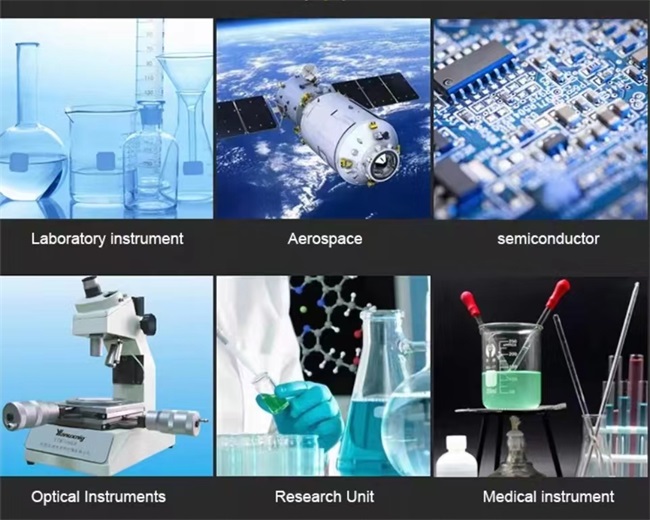
Understanding your application context is the first step in selecting the right tube. Here are the most common industries and how they use quartz tubes:
Semiconductor Manufacturing
Quartz tubes serve as diffusion tubes, oxidation tubes, and CVD (Chemical Vapor Deposition) reactor chambers. These applications demand ultra-high purity (99.99%+ SiO₂), minimal metallic impurities, and extremely tight dimensional tolerances to prevent wafer contamination.
Furnace and Thermal Processing
Furnace manufacturers use quartz tubes as heating element sleeves, viewports, and protective atmospheres. The key requirements here are thermal shock resistance and the ability to operate continuously at 1000–1200°C.
Optical and UV Applications
UV curing systems, mercury vapor lamps, excimer lamps, and spectroscopy instruments rely on quartz tubes for their deep UV transmission. UV-grade or synthetic fused silica is typically specified.
Laboratory and Analytical Equipment
Quartz tubes are used in chromatography columns, combustion tubes, sample digestion vessels, and analytical instruments where chemical purity and thermal stability are non-negotiable.
Chemical Processing Equipment
Reactor vessels, condenser tubes, and distillation columns in aggressive chemical environments benefit from quartz's corrosion resistance and non-contaminating surface.
Lighting Industry
Halogen lamps, metal halide lamps, and high-intensity discharge (HID) lamps all use quartz tube envelopes that must withstand extreme internal temperatures and pressures.
How to Choose the Right Quartz Tube: 5 Critical Factors
This is the core decision framework. Evaluate each factor against your specific application requirements.
Purity Grade
The purity of your quartz tube directly affects contamination risk, optical performance, and high-temperature behavior.
Standard fused quartz (99.9% SiO₂) — suitable for general furnace, laboratory, and lighting applications. Contains trace metallic impurities at the ppm level.
High-purity fused quartz (99.99% SiO₂) — required for semiconductor diffusion, high-end optical systems, and applications where metallic contamination must be minimized.
Synthetic fused silica (99.999%+ SiO₂) — the highest purity grade, produced from silicon tetrachloride (SiCl₄). Used in advanced semiconductor lithography and precision optics.
Buyer's tip: If your process involves temperatures above 1200°C in a reducing atmosphere, specify low-OH quartz. High-OH content can cause devitrification (crystallization) and tube failure under these conditions.
Dimensional Specifications
Getting the dimensions right is often the biggest challenge for buyers, especially when sourcing non-standard sizes. You need to define:
Outer Diameter (OD) — from small capillaries (2–3 mm) to large-diameter tubes exceeding 300 mm.
Inner Diameter (ID) — determined by your component clearance requirements.
Wall Thickness — affects thermal conductivity, mechanical strength, and pressure resistance. Standard wall thicknesses range from 1 mm to 15 mm, but custom walls are available.
Length — from short segments (50 mm) to extended lengths exceeding 3000 mm for vertical furnace applications.
Tolerance — standard tolerance is typically ±1–2% on diameter and ±0.5 mm on length. For semiconductor and precision optical applications, tighter tolerances (±0.1 mm or better) may be required.
Buyer's tip: Always specify whether your OD/ID tolerance requirement is for the as-drawn dimension or after secondary machining. Drawn tubes have natural variation; machined tubes can achieve much tighter tolerances.
Thermal Requirements
Match the quartz grade to your operating temperature profile:
Continuous use temperature — standard fused quartz operates safely up to 1100°C. For extended life at this temperature, consider low-OH variants.
Short-term peak temperature — quartz can handle brief exposure up to 1450°C, but prolonged exposure above 1200°C accelerates devitrification.
Thermal shock scenario — if your process involves rapid heating or cooling cycles, specify a tube with adequate wall thickness and confirm the manufacturer's thermal shock rating.
Atmosphere — in hydrogen or vacuum environments above 1000°C, high-OH quartz can suffer from surface degradation. Low-OH or flame-fused quartz is preferred.
Optical Requirements
If your application involves light transmission, you must specify the wavelength range:
UV transmission (185–400 nm) — requires UV-grade or synthetic fused silica. Standard quartz begins absorbing significantly below 250 nm.
Visible spectrum (400–700 nm) — virtually all quartz grades transmit well in this range.
IR transmission (700–3500 nm) — standard fused quartz performs well, but OH absorption bands appear around 2730 nm and 1380 nm. Low-OH quartz minimizes these absorption peaks.
Buyer's tip: Request a transmission curve from your supplier before placing an order for optical applications. Reputable manufacturers can provide spectral transmission data for their specific material batches.
Surface Quality and Finish
The surface condition of a quartz tube matters more than most buyers realize:
Fire-polished surface — the default finish from the drawing process. Smooth and suitable for most applications.
Ground and polished ends — required when the tube must mate with flanges, seals, or O-ring grooves. Specify end flatness (e.g., ±0.05 mm).
Acid-etched surface — removes surface contamination and micro-cracks, improving thermal shock resistance. Common for semiconductor applications.
Bubble and inclusion standards — define your maximum allowable bubble size and count per unit length. Semiconductor-grade tubes typically require zero visible inclusions.
Custom Quartz Tube Specifications
Many buyers need dimensions, tolerances, or finishes that fall outside standard catalog offerings. Custom quartz tubes are manufactured to your exact requirements.
Customizable parameters include:
Outer diameter from 2 mm to 350 mm (and larger upon request)
Wall thickness from 0.5 mm to 20 mm
Lengths up to 3000 mm or longer for specialized furnace applications
Tight OD/ID tolerances down to ±0.05 mm through precision machining
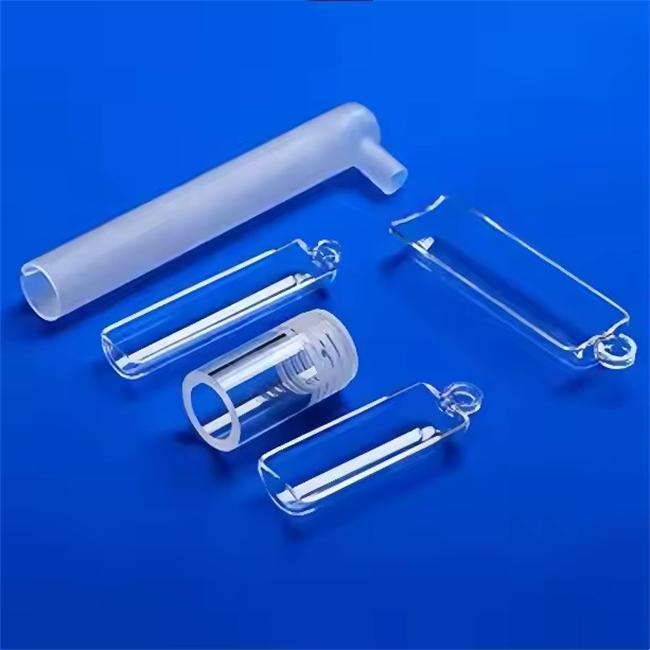
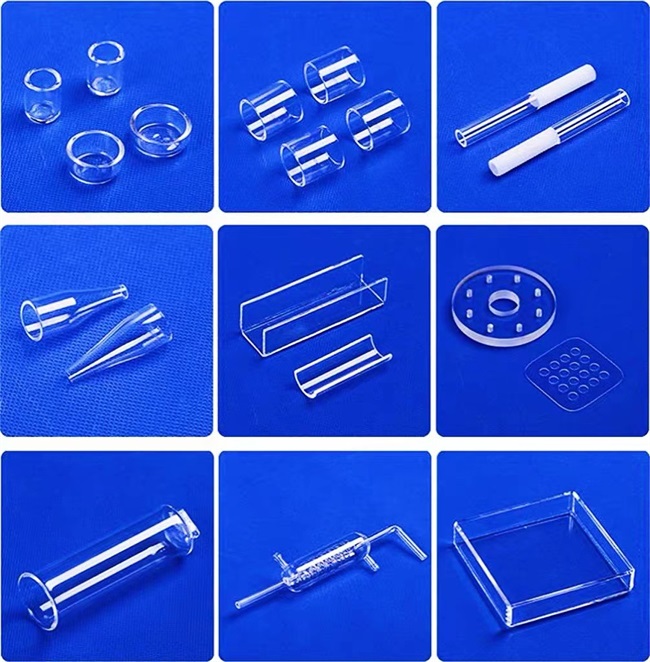
Custom end finishes: flat ground, beveled, fire-polished, or flanged
Surface treatments: acid etching, fire polishing, or coating
Drilling, slotting, notching, and other secondary machining operations
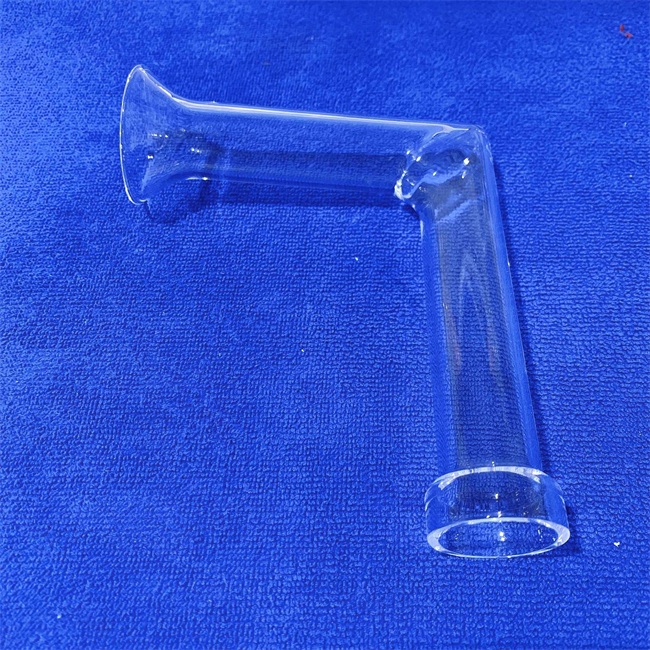
Bending and forming into custom shapes (U-bends, L-bends, spirals)
For OEM and ODM buyers: We accept custom drawings (DXF, DWG, STEP, PDF) and physical samples. Our engineering team reviews each submission for manufacturability and provides feedback on tolerance feasibility before production begins.
Low MOQ and prototype support: We understand that many buyers need small quantities for R&D, pilot runs, or replacement parts. We support orders from single pieces upward, with no minimum order quantity for standard specifications.
Common Quartz Tube Problems and How We Solve Them
Based on years of supporting international buyers, these are the most frequent pain points — and how we address them:
Problem: Cannot find the right size
Standard distributors carry limited inventory. We manufacture to your exact OD, ID, wall thickness, and length — no compromises on dimensions.
Problem: Non-standard parts are difficult to source
Custom shapes, unusual tolerances, and special finishes are our core capability. Send us a drawing or sample, and we provide a manufacturability assessment within 24–48 hours.
Problem: High-temperature applications cause premature failure
We help you select the correct quartz grade (high-OH vs. low-OH, standard vs. high-purity) based on your specific temperature profile, atmosphere, and cycle time.
Problem: Tight tolerance requirements
Our precision machining capability achieves tolerances down to ±0.05 mm on critical dimensions, verified through CMM inspection.
Problem: Urgent delivery needed
We maintain raw material inventory and offer expedited production schedules. Standard tubes ship within 5–7 business days; custom parts typically within 10–15 business days depending on complexity.
Problem: Small batch orders are rejected by suppliers
We welcome single-piece prototypes and small-batch production runs. This is especially valuable for R&D teams and companies validating new designs.
Problem: Inconsistent quality from current supplier
Every batch undergoes dimensional inspection, visual inspection under controlled lighting, and purity verification. Full inspection reports are provided with each shipment.
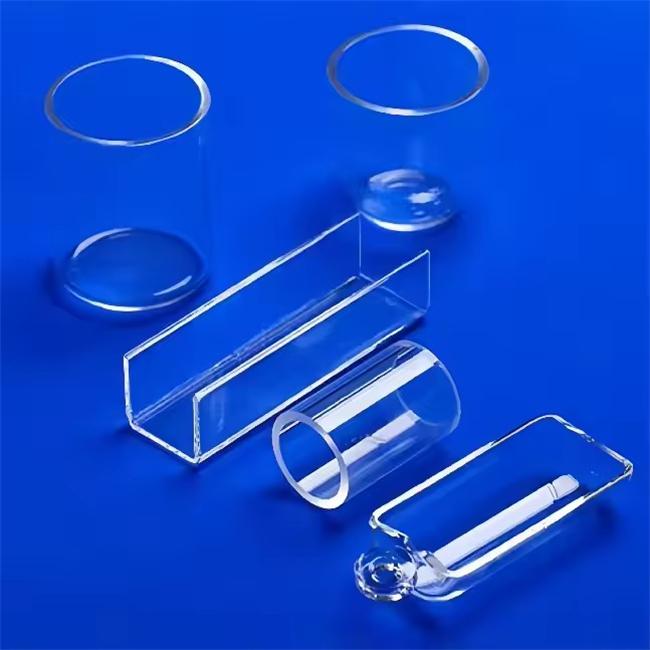
Why Choose Us as Your Quartz Tube Supplier
We are a source manufacturer — not a trading company — with full control over our production process from raw material selection to final inspection and global shipping.
Here is what sets us apart:
Full customization capability — we produce quartz tubes to your exact specifications, including non-standard dimensions, custom finishes, and complex secondary machining.
OEM/ODM support — we work from your drawings, CAD files, or physical samples. Our engineering team provides DFM (Design for Manufacturability) feedback to optimize your design for cost and performance.
High-purity materials — we stock and process standard fused quartz, high-purity quartz, and synthetic fused silica to meet the demands of semiconductor, optical, and laboratory applications.
Precision machining — CNC grinding, polishing, drilling, and slotting capabilities ensure your tubes meet tight tolerance requirements.
No MOQ / Low MOQ — from one prototype piece to full production runs, we accommodate orders of any size.
Stable quality control — ISO-aligned quality management with batch traceability, dimensional inspection reports, and material certification.
Fast turnaround — standard products ship within days; custom orders are prioritized for rapid delivery.
Global export experience — we ship worldwide with proper packaging for fragile glass products, including foam cushioning, wooden crates, and export-grade labeling.
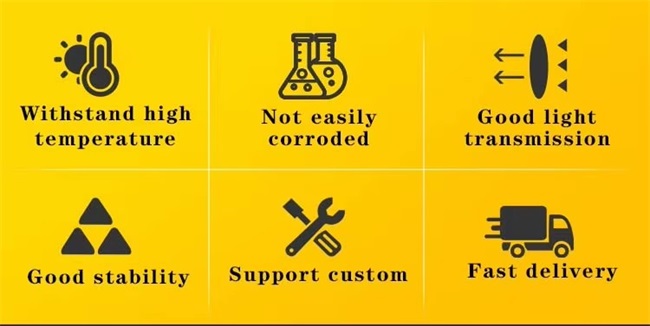
Frequently Asked Questions (FAQ)
What is the maximum temperature a quartz tube can withstand?
Standard fused quartz tubes can operate continuously at 1100°C and withstand short-term exposure up to 1450°C. For extended operation above 1200°C, low-OH quartz is recommended to prevent devitrification.
What is the difference between fused quartz and synthetic fused silica?
Fused quartz is made by melting natural quartz crystal or sand, resulting in 99.9–99.99% SiO₂ purity. Synthetic fused silica is produced from SiCl₄ vapor, achieving 99.999%+ purity with virtually no metallic impurities. Synthetic material is used in semiconductor and precision optical applications.
Can quartz tubes be used in hydrogen atmospheres?
Yes, but with caveats. At temperatures above 1000°C in hydrogen, high-OH quartz can experience surface degradation due to water vapor formation. Low-OH or flame-fused quartz is recommended for sustained hydrogen service at high temperatures.
What is the typical tolerance on a custom quartz tube?
As-drawn tubes typically hold ±1–2% on diameter. Through precision grinding and machining, tolerances of ±0.05 mm or tighter are achievable on critical dimensions.
Can you produce quartz tubes with very thin walls?
Yes. We can produce tubes with wall thicknesses as thin as 0.5 mm for specialized applications. However, thin walls reduce mechanical strength and thermal shock resistance, so the application must be evaluated carefully.
What is the lead time for custom quartz tubes?
Standard-size tubes typically ship within 5–7 business days. Custom-machined tubes require 10–15 business days depending on complexity. Expedited production is available for urgent orders.
Is there a minimum order quantity?
No. We accept orders from a single piece. This is particularly useful for prototype development, lab testing, and replacement parts.
Can you bend or form quartz tubes into custom shapes?
Yes. We offer custom bending services including U-bends, L-bends, ring formations, and spiral shapes. Send us your drawing or sample for a feasibility assessment.
How do I specify a quartz tube for UV applications?
For deep UV transmission (below 250 nm), specify UV-grade or synthetic fused silica. Standard fused quartz transmits well above 250 nm but absorbs significantly in the deep UV range. We recommend requesting a spectral transmission curve for your specific application wavelength.
What causes quartz tubes to crack or fail?
The most common causes are: thermal shock exceeding the material's capacity (rare but possible with very rapid quenching), mechanical impact, devitrification from prolonged high-temperature exposure, contamination from improper handling (oils, fingerprints), and stress concentrations from sharp corners or scratches.
Can quartz tubes be machined after production?
Yes. Quartz can be ground, drilled, slotted, notched, and polished using diamond tooling. We perform all secondary machining in-house to ensure dimensional accuracy.
How should quartz tubes be packaged for shipping?
We use multi-layer foam cushioning inside sturdy cardboard tubes or wooden crates for larger diameters. Each tube is individually wrapped to prevent contact damage during transit.
What is devitrification, and how can I prevent it?
Devitrification is the crystallization of amorphous quartz into cristobalite, which occurs at temperatures above 1200°C over extended periods. It causes opacity, micro-cracking, and mechanical weakness. Prevention strategies include using low-OH quartz, minimizing hold time at peak temperature, and avoiding surface contamination (especially alkali metals).
Can you match a sample tube we already have?
Yes. Send us a physical sample, and our engineering team will analyze its dimensions, material grade, surface finish, and any special features. We will then produce a matching replacement or provide an improved alternative with a detailed specification sheet.
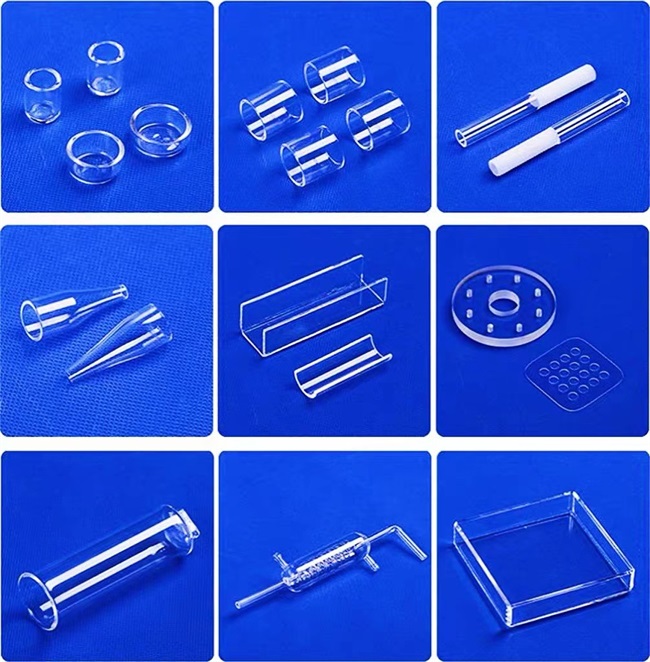
Ready to Source Your Quartz Tubes?
Whether you need a single prototype tube or a full production run, our team is ready to help you select the right material, dimensions, and finish for your application.
Send us your drawing, sample, or specification sheet, and we will provide a detailed quotation with manufacturability feedback — typically within 24–48 hours.
Contact us today for custom quartz tube solutions backed by 20+ years of manufacturing expertise.
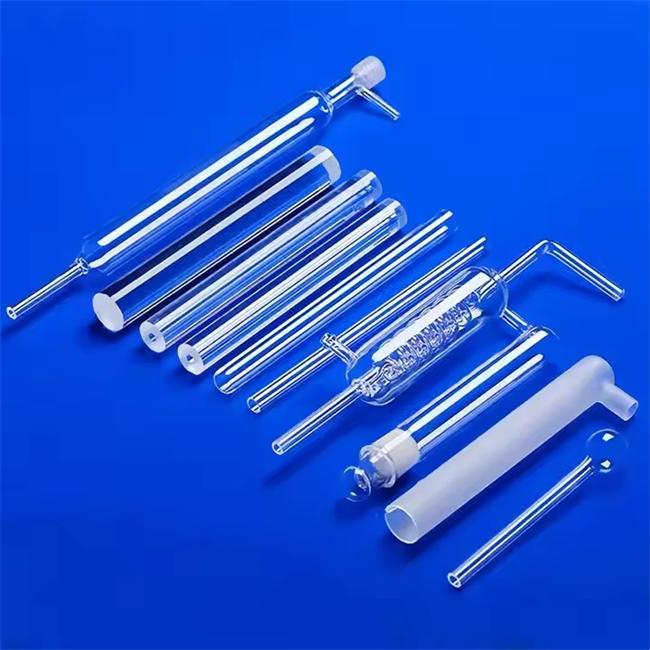
Quartz tubes are cylindrical components made from high-purity fused silica (SiO₂), selected based on five key factors: purity grade (99.9% to 99.999%+), dimensional specifications (OD, ID, wall thickness, length, and tolerance), thermal requirements (continuous use to 1100°C, peak to 1450°C), optical transmission range (UV to IR), and surface quality. Primary applications include semiconductor diffusion tubes, furnace components, UV lamps, laboratory equipment, and chemical processing. Custom quartz tubes can be manufactured to precise specifications including tight tolerances (±0.05 mm), special end finishes, acid etching, bending, and secondary machining. Buyers should specify low-OH quartz for high-temperature reducing atmospheres, UV-grade material for deep UV transmission, and high-purity grades for semiconductor applications to avoid contamination and premature failure.
Luverre Quartz manufactures and sells a wide range of high quality quartz glass, including quartz tubes, quartz plates, quartz rods, quartz windows, quartz crucibles, quartz boats, quartz flanges, quartz beakers, quartz glass instruments, and more. We can meet all kinds of customized requirements for quartz glass products.