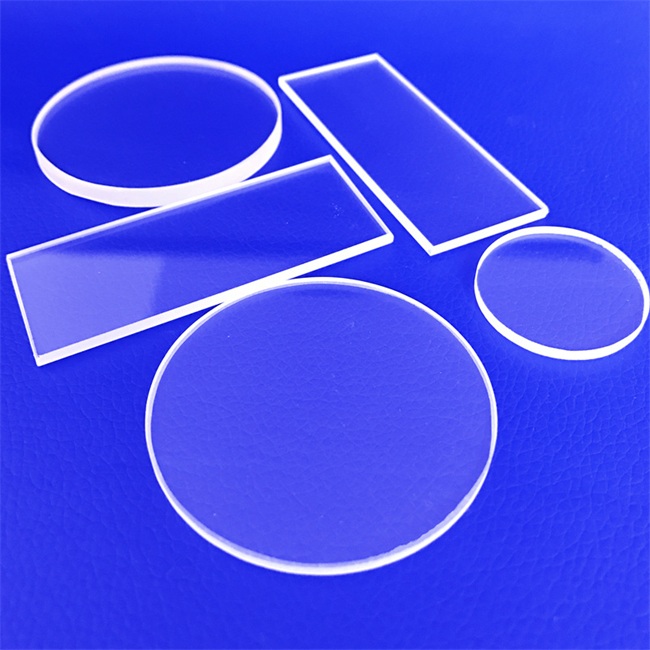
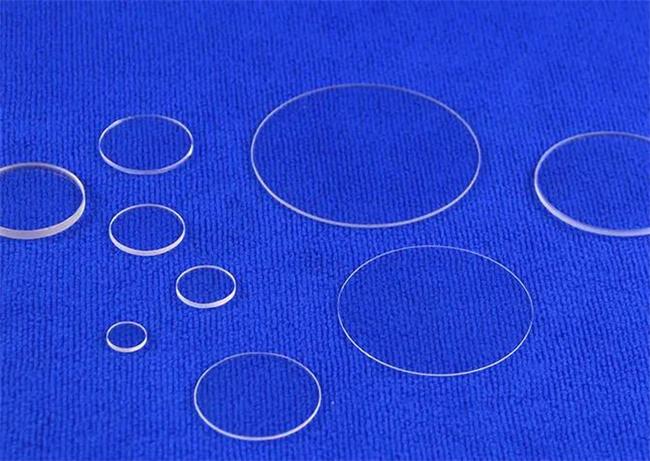
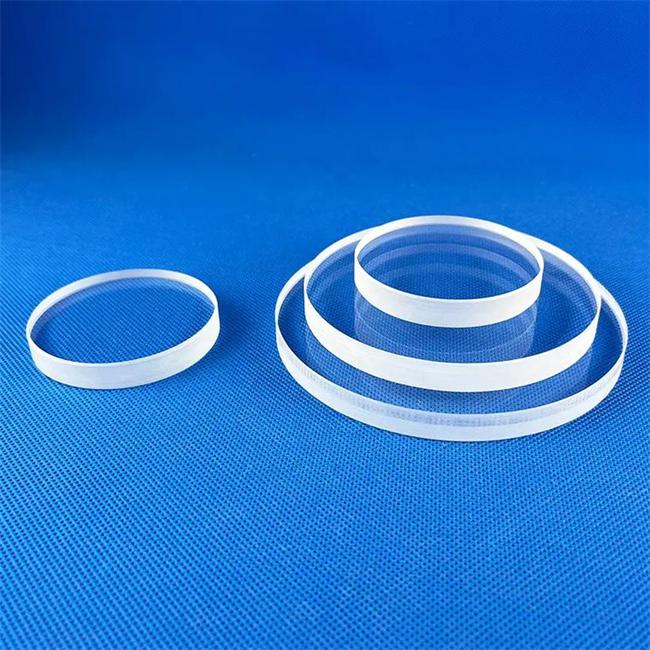
Quartz plates (fused silica plates) are defined by four critical properties: continuous operating temperatures up to 1100°C, near-zero thermal expansion, exceptional UV transmission (down to 185nm), and chemical inertness against most acids. These characteristics make quartz plates the superior choice for semiconductor diffusion, optical windows, and high-temperature furnace linings where standard glass or ceramics fail.
Below is a detailed technical breakdown of these properties, how to select the right grade for your application, and how to source custom quartz plates from a reliable manufacturer.
Temperature Resistance: Withstanding Extreme Heat
Quartz plates can withstand continuous operating temperatures of 1100°C and short-term peaks up to 1250°C.
Unlike borosilicate glass, which softens at lower temperatures, quartz maintains its structural integrity in extreme thermal environments.
High Softening Point: The softening point of quartz is approximately 1670°C, significantly higher than standard industrial glass.
Thermal Shock Resistance: One of the most valuable properties of quartz is its low coefficient of thermal expansion (5.5 times 10^{-7} / ^circ C). This allows the material to withstand rapid temperature changes—such as being moved from a hot furnace to a cooling zone—without cracking or shattering.
Application Context: This makes quartz plates ideal for furnace viewports, diffusion boat supports, and heating element shields.
Chemical Resistance: Inert in Harsh Environments
Quartz is chemically inert to almost all acids, with the exception of hydrofluoric acid (HF) and hot phosphoric acid.
For chemical processing engineers, material purity is non-negotiable. Quartz plates act as a barrier that will not leach ions or react with aggressive reagents.
Acid Resistance: Quartz is highly resistant to hydrochloric, sulfuric, and nitric acids.
Corrosion Resistance: It resists corrosion from water and salt solutions, making it suitable for wet-processing environments in semiconductor fabrication.
Purity: High-purity quartz contains less than 20ppm of impurities (Li, Na, K, Fe, etc.), ensuring that your process environment remains contamination-free.
Note for Engineers: While quartz is resistant to most chemicals, avoid contact with hydrofluoric acid (HF) or alkalis (like NaOH) at high temperatures, as these will etch the surface.
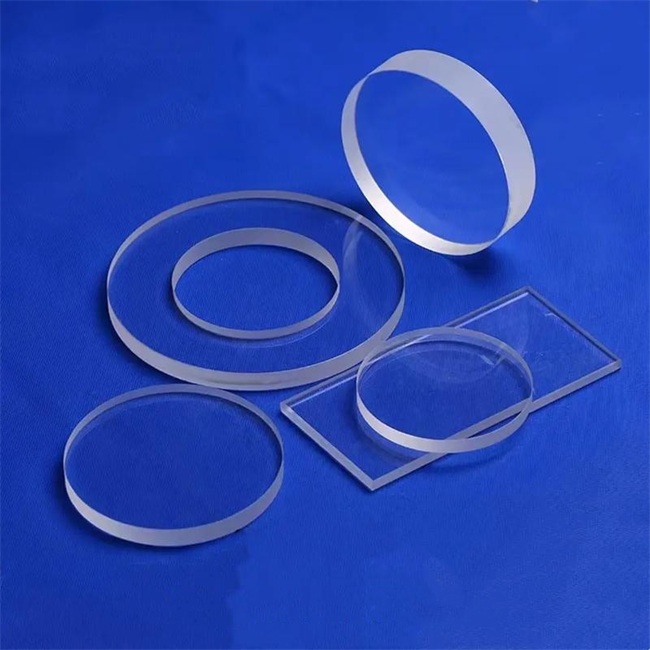
Optical & UV Transmission: Clarity Beyond Visible Light
Quartz plates offer superior transmission from the deep ultraviolet (185nm) through the visible spectrum and into the infrared (3500nm).
Standard glass blocks UV light, making it useless for sterilization or spectroscopy. Quartz is the material of choice when optical clarity across a broad spectrum is required.
UV Transmission: Essential for UV curing, mercury lamp windows, and sterilization equipment.
IR Transmission: Useful for thermal imaging windows and laser applications.
Optical Homogeneity: High-grade optical quartz plates ensure minimal distortion, critical for precision laser alignment and optical path systems.
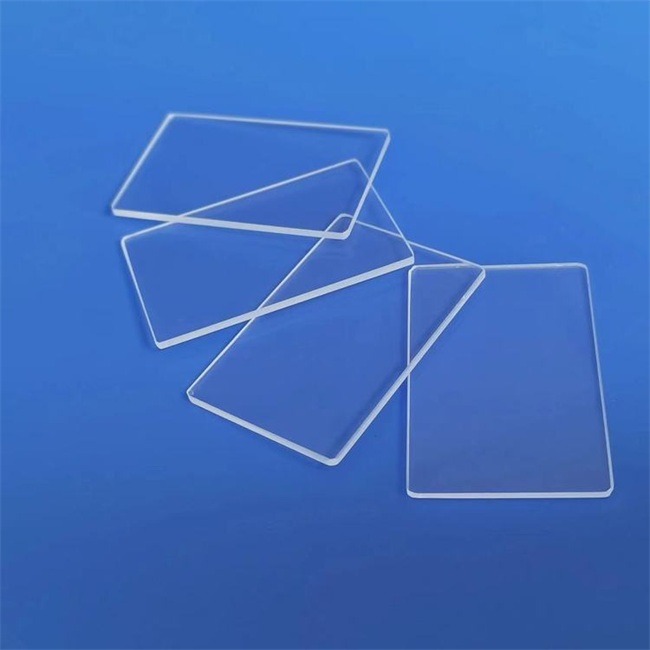
Electrical & Mechanical Properties
Quartz plates possess high electrical resistivity and low dielectric loss, making them excellent insulators even at high frequencies.
Dielectric Strength: Quartz maintains its insulating properties at high temperatures, unlike many plastics or ceramics that may degrade.
Mechanical Strength: While quartz is brittle (like all glass), its compressive strength is high. Proper fabrication (edge polishing) significantly increases its mechanical durability.
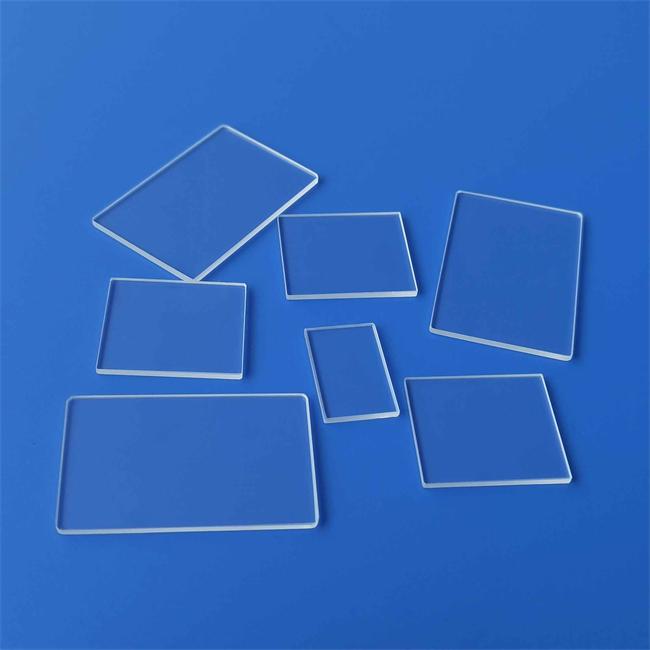
Key Applications by Industry
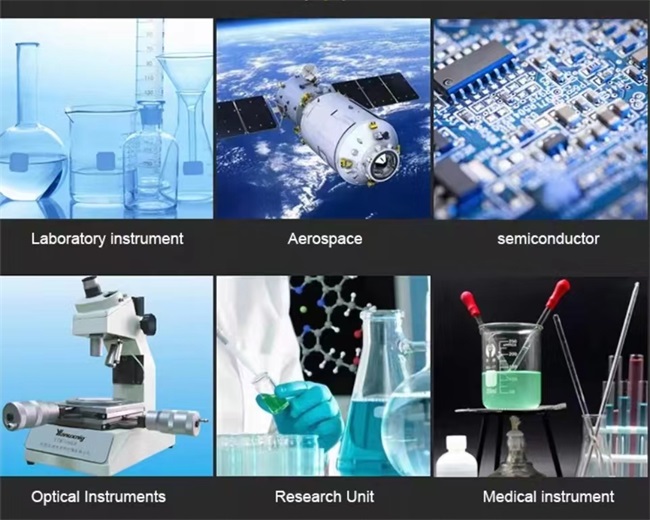
Understanding the properties helps in selecting the right quartz plate for specific industries:
Semiconductor Industry: Used as diffusion plates, wafer carriers, and furnace tubes due to high purity and heat resistance.
Optical Industry: Used for UV windows, mirrors, and laser components requiring high transmission.
Chemical Processing: Used as sight glasses and liners in reactors to monitor chemical reactions safely.
Lighting: Used in high-intensity discharge (HID) lamps and UV sterilization lamps.
How to Choose the Right Quartz Plate
Selecting the correct quartz plate involves balancing material grade, dimensions, and surface finish.
Material Grade Selection
Optical Grade: For applications requiring high clarity and UV transmission (e.g., windows, lenses).
Industrial/Electronic Grade: For furnace components, boats, and structural supports where visual perfection is less critical than thermal performance.
Surface Finish
Fire Polished: Standard smooth finish, cost-effective.
Ground & Polished: Required for optical applications or where precise thickness tolerances are needed.
Dimensional Tolerances
Standard stock sizes are available, but custom dimensions often require precise cutting. Ensure your supplier can hold tolerances as tight as ±0.05mm for thickness and length.
Custom Quartz Plate Specifications
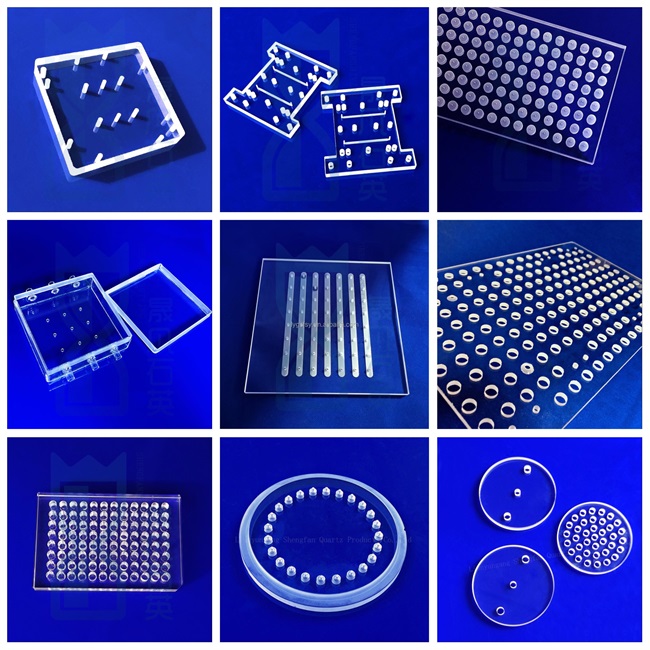
As a direct manufacturer, we understand that off-the-shelf sizes rarely fit complex machinery. We specialize in Custom Quartz Parts tailored to your exact drawings.
Material: JGS1 (Optical), JGS2 (UV), JGS3 (IR), or equivalent international grades (Corning 7980, Heraeus, etc.).
Purity: 99.99% (4N) SiO2 content.
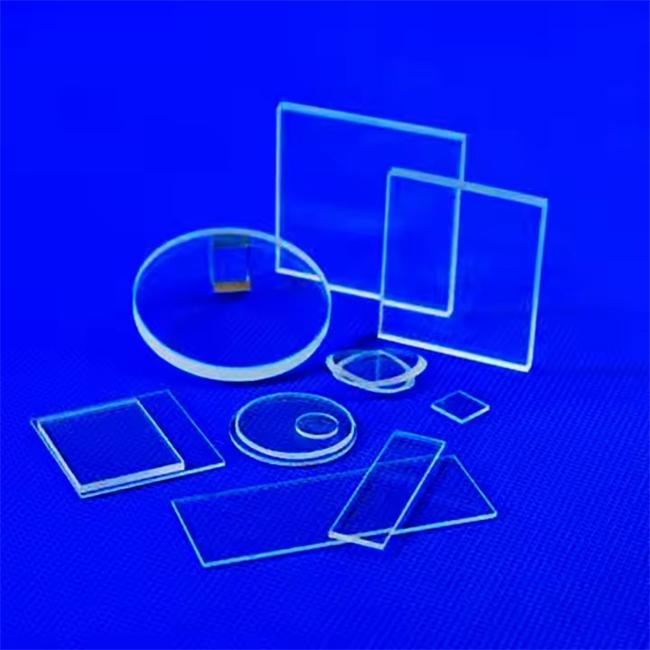
Thickness Range: From 0.5mm (thin windows) up to 100mm (structural blocks).
Max Dimensions: We can process large format plates (contact us for specific max sheet sizes).
Processing: CNC cutting, drilling, chamfering, threading, and edge polishing.
Tolerances: Thickness tolerance ±0.05mm; Length/Width tolerance ±0.1mm (customizable).
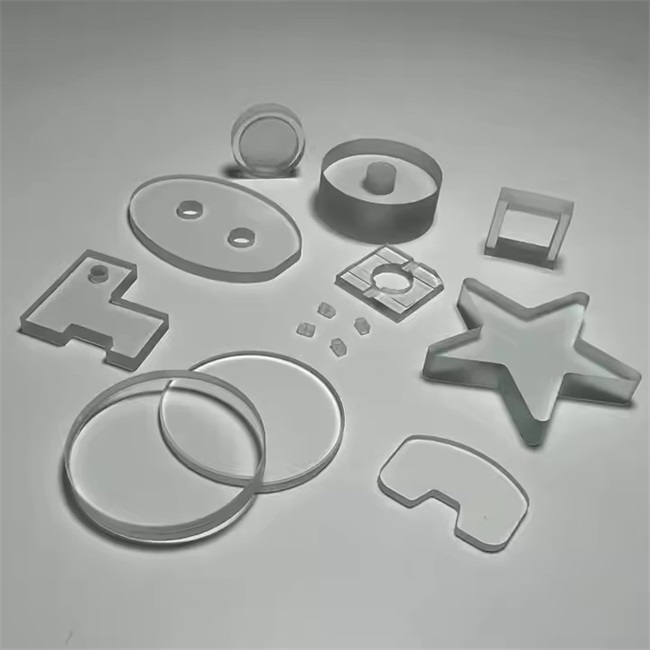
Need a specific shape? We support OEM/ODM. Send us your CAD drawings (DXF, DWG, STEP) or physical samples, and we will manufacture the quartz plate to your exact specifications.
Frequently Asked Questions (FAQ)
Here are answers to common questions from procurement managers and engineers regarding quartz plates.
What is the maximum temperature a quartz plate can handle?
Quartz plates can operate continuously at 1100°C and withstand short-term exposure up to 1250°C.
Can quartz plates resist hydrofluoric acid (HF)?
No. Quartz reacts with HF. It is resistant to most other acids, including HCl, H2SO4, and HNO3.
What is the difference between fused quartz and fused silica?
Technically, "fused quartz" is made from natural quartz crystal, while "fused silica" is made from high-purity sand. Both result in amorphous SiO2, but fused silica generally has higher purity and better UV transmission. We supply both based on your needs.
Do you offer custom sizes for quartz plates?
Yes, we specialize in custom sizes. We can cut, polish, and drill quartz plates according to your drawings or samples.
Is there a Minimum Order Quantity (MOQ)?
We are flexible. We support small-batch prototyping as well as mass production. There is no strict MOQ for standard samples.
How does quartz compare to sapphire for high-temp use?
Quartz has better thermal shock resistance and is more cost-effective. Sapphire is harder and more scratch-resistant but has lower thermal shock resistance and is significantly more expensive.
Can you drill holes in quartz plates?
Yes, we use CNC machining and laser drilling to create precise holes, countersinks, and threads in quartz plates.
What is the thermal expansion coefficient of quartz?
It is extremely low, approximately 5.5 times 10^{-7} / ^circ C, which is why it resists thermal shock so well.
How do I clean a quartz plate?
Use isopropyl alcohol (IPA) or acetone for general cleaning. For high-purity applications, acid cleaning (excluding HF) followed by DI water rinsing is recommended.
Can quartz plates be used in vacuum environments?
Yes, quartz has very low outgassing properties, making it excellent for vacuum chambers and semiconductor processing.
What is the lead time for custom quartz plates?
Standard sizes ship quickly. Custom machined parts typically take 7-15 days depending on complexity and quantity.
Can you match a sample I send you?
Yes, we offer reverse engineering services. You can send us a broken or existing sample, and we will replicate the dimensions and material grade.
Is quartz electrically conductive?
No, quartz is an excellent electrical insulator with high resistivity, even at elevated temperatures.
Why Choose Us as Your Quartz Manufacturer?
Sourcing quartz components can be challenging due to the material's brittleness and the precision required for processing. Here is why global buyers trust us:
Source Manufacturer: We are a factory, not a trading company. This means better pricing and direct control over quality.
High Precision: Our CNC and laser processing capabilities ensure your plates meet tight tolerances (±0.05mm).
Flexible Customization: Whether you need 1 piece for R&D or 10,000 pieces for mass production, we accommodate your needs. No MOQ restrictions for prototypes.
Global Export Experience: We understand international shipping standards and packaging (foam + wooden crates) to ensure your fragile quartz products arrive safely.
Technical Support: Our engineers can advise on material selection (JGS1 vs JGS2) to optimize your costs and performance.
Ready to order your custom Quartz Plates?
Contact us today with your drawings or specifications for a fast quote.
Luverre Quartz manufactures and sells a wide range of high quality quartz glass, including quartz tubes, quartz plates, quartz rods, quartz windows, quartz crucibles, quartz boats, quartz flanges, quartz beakers, quartz glass instruments, and more. We can meet all kinds of customized requirements for quartz glass products.