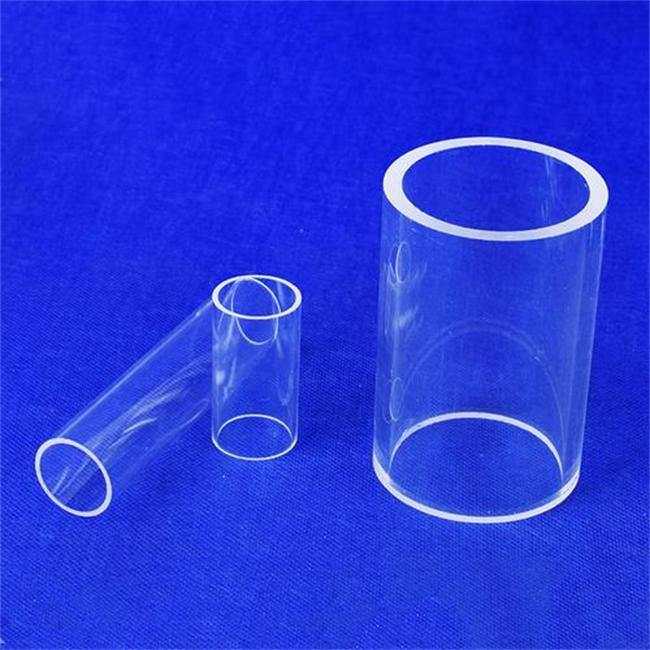
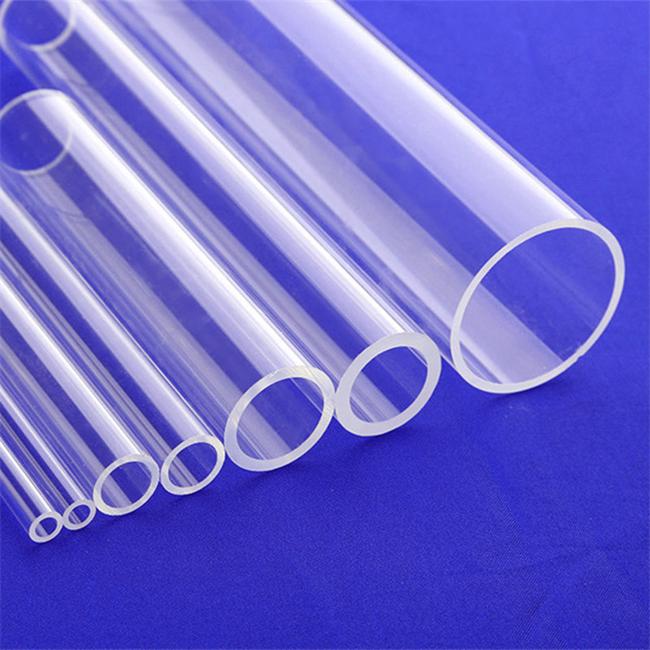
Quartz tube (quartz glass tube) is a special glass material made of high-purity silicon dioxide (SiO ₂), which has a series of excellent physical, chemical, and optical properties. Therefore, it is widely used in industries, scientific research, semiconductors, optics, chemical engineering, electric light sources, and other fields. Compared to ordinary glass, metal, plastic, or other ceramic materials, quartz tubes have significant advantages in many aspects.
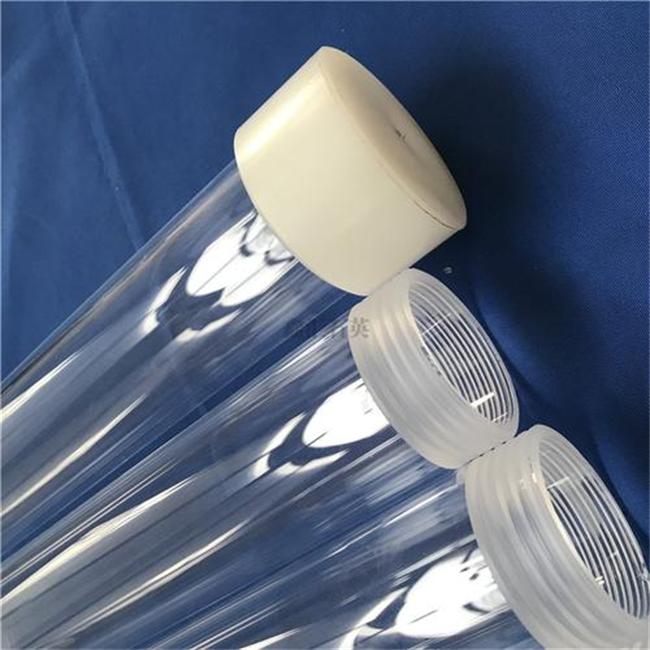
1. High temperature resistance performance
One of the most prominent features of quartz tubes is their extremely high temperature resistance. Compared to ordinary glass, plastic, and most metal materials, quartz tubes can maintain stability at higher temperatures.
-High melting point: The softening point of quartz tube is about 1650 ° C, with a melting point as high as 1723 ° C, much higher than ordinary glass (about 600-800 ° C) and most metals (such as aluminum 660 ° C, copper 1085 ° C).
-Long term use temperature: Quartz tubes can be used for a long time at 1200 ° C, while ordinary glass will soften or even melt at this temperature.
-Thermal shock stability: Quartz tubes have an extremely low coefficient of expansion (about 5.5 × 10 ⁻⁷/° C) and can withstand drastic temperature changes (such as rapid cooling from 1000 ° C to room temperature without breaking), while ordinary glass or ceramic materials are prone to cracking during rapid temperature changes.
In contrast, although metal materials are resistant to high temperatures, they are prone to oxidation or deformation at high temperatures; Plastics such as PTFE and PEEK can usually only be used below 260 ° C, far inferior to the temperature resistance of quartz tubes.
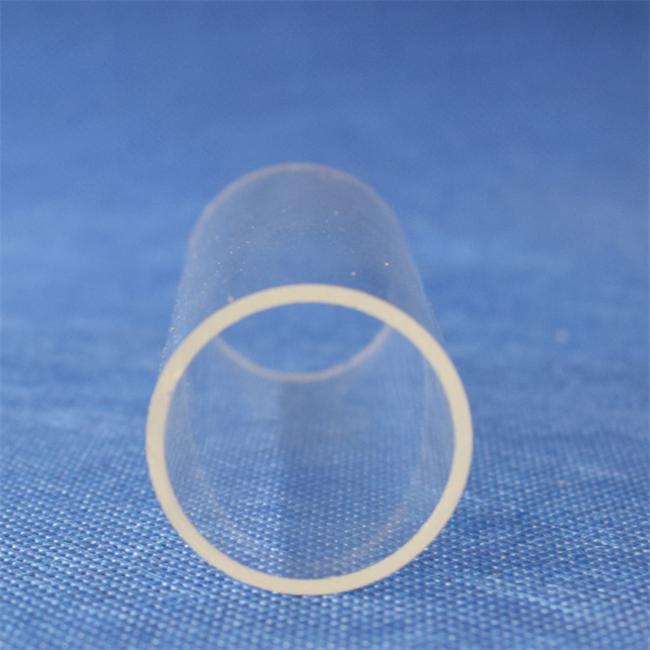
2. Chemical stability
Quartz tubes have extremely strong chemical inertness and hardly react with most acids, bases, and solvents, making them more advantageous than metals and ordinary glass in corrosive environments.
-Acid resistance: Except for hydrofluoric acid (HF) and hot phosphoric acid, quartz tubes can almost resist the corrosion of all inorganic and organic acids.
-Alkali resistance: Although strong alkalis such as NaOH and KOH can slightly corrode quartz tubes at high temperatures, their alkali resistance is still better than that of ordinary glass.
-Solvent resistance: Quartz tubes do not react with organic solvents such as acetone, ethanol, benzene, etc., while some plastics such as PVC and PP may be dissolved or swollen by organic solvents.
In contrast, metal materials such as stainless steel and aluminum are prone to corrosion in strong acid or alkali environments, while ordinary glass such as soda lime glass is susceptible to corrosion under alkaline conditions.
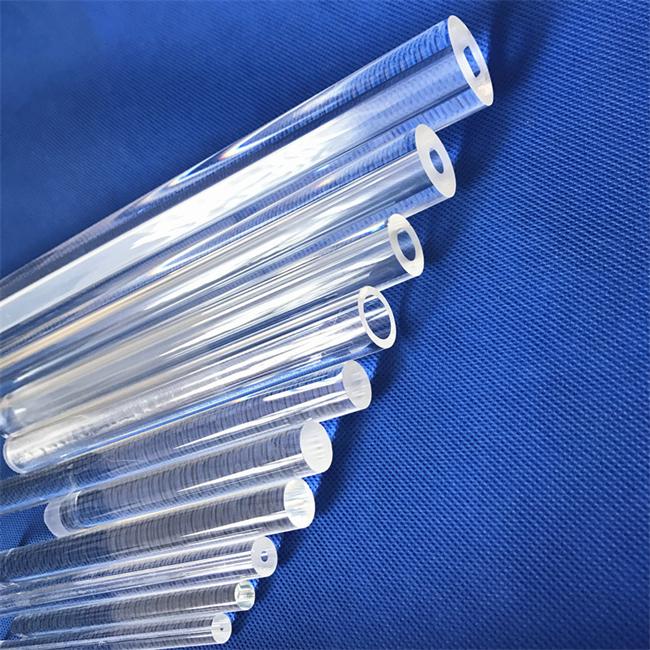
3. Optical performance
Quartz tubes have excellent optical transparency, especially in the ultraviolet (UV) and infrared (IR) spectral ranges, which makes them irreplaceable in optical and optoelectronic applications.
-UV Transmittance: Quartz tubes have high transmittance (>90%) in the wavelength range of 185 nm to 2500 nm, while ordinary glass (such as borosilicate glass) is almost opaque in the ultraviolet region (<300 nm).
-Infrared Transparency: Quartz tubes maintain good transparency in the near-infrared region (700-2500 nm), making them suitable for applications such as laser and infrared heating.
-Low fluorescence effect: High purity quartz tubes have almost no fluorescence interference and are suitable for precision optical instruments such as spectrometers and lasers.
In contrast, plastics such as PMMA and PC are prone to aging and yellowing under ultraviolet light, ordinary glass has poor transparency in the ultraviolet region, and metals are completely opaque.
4. Thermal stability and low thermal expansion
The thermal expansion coefficient of quartz tube is extremely low (about 5.5 × 10 ⁻⁷/° C), much lower than that of ordinary glass (about 9 × 10 ⁻⁶/° C) and metals (such as aluminum 23 × 10 ⁻⁶/° C), which makes it perform well in environments with drastic temperature changes.
-Thermal shock resistance: Quartz tubes can withstand rapid cooling from 1000 ° C to room temperature without breaking, making them suitable for applications such as semiconductor manufacturing and high-temperature reactors.
-Dimensional stability: Quartz tubes hardly deform at high temperatures, while metals or plastics are prone to expansion or softening at high temperatures.
In contrast, ordinary glass or ceramic materials are prone to cracking due to thermal stress during rapid temperature changes, while metal materials may undergo structural deformation due to thermal expansion.
5. Electrical insulation performance
Quartz tube is an excellent electrical insulation material, with much higher electrical resistivity and dielectric strength than ordinary glass and plastic.
-Volume resistivity: At room temperature, the resistivity of quartz tubes can reach up to 10 ¹⁶Ω· cm, much higher than that of ordinary glass (10 ¹² -10 ¹⁴Ω· cm).
-Dielectric strength: The dielectric strength of quartz tubes is about 30-40 kV/mm, suitable for high-voltage insulation applications such as semiconductor equipment and vacuum tubes.
-Low dielectric loss: Even in high temperature or high frequency environments, the dielectric loss of quartz tubes is extremely low, making them suitable for microwave and radio frequency applications.
In contrast, metals are conductors and cannot be used as insulation materials; Although plastics have good insulation properties, they are prone to aging or decomposition at high temperatures.
6. Mechanical properties
Although quartz tubes are brittle materials, they have high hardness and compressive strength, making them suitable for high stress environments.
-Hardness: The Mohs hardness of quartz tube is 7, which is comparable to quartz crystal and more scratch resistant than ordinary glass (5.5).
-Compressive strength: The compressive strength of quartz tube is as high as 1100 MPa, much higher than that of ordinary glass (about 500 MPa).
-Lightweight: The density of quartz tubes (2.2 g/cm ³) is lower than that of metals (such as steel 7.8 g/cm ³, aluminum 2.7 g/cm ³), making them suitable for applications that require lightweight.
In contrast, plastic has lower hardness and is prone to wear and tear; Although metal has high strength, it is relatively heavy.
7. Purity and Cleanliness
High purity quartz tubes (such as semiconductor grade) have extremely low impurity content (<1 ppm) and are suitable for industries that require extremely high cleanliness.
-Semiconductor manufacturing: Quartz tubes are used for wafer processing, diffusion furnaces, CVD reactors, and do not introduce metal contamination.
-Medicine and Biotechnology: Quartz tubes can be used in pharmaceutical equipment to avoid chemical contamination.
-Vacuum technology: Quartz tubes have extremely low gas release rates and are suitable for high vacuum systems.
In contrast, metal materials may release trace amounts of metal ions, while plastics may release organic volatile compounds (VOCs).
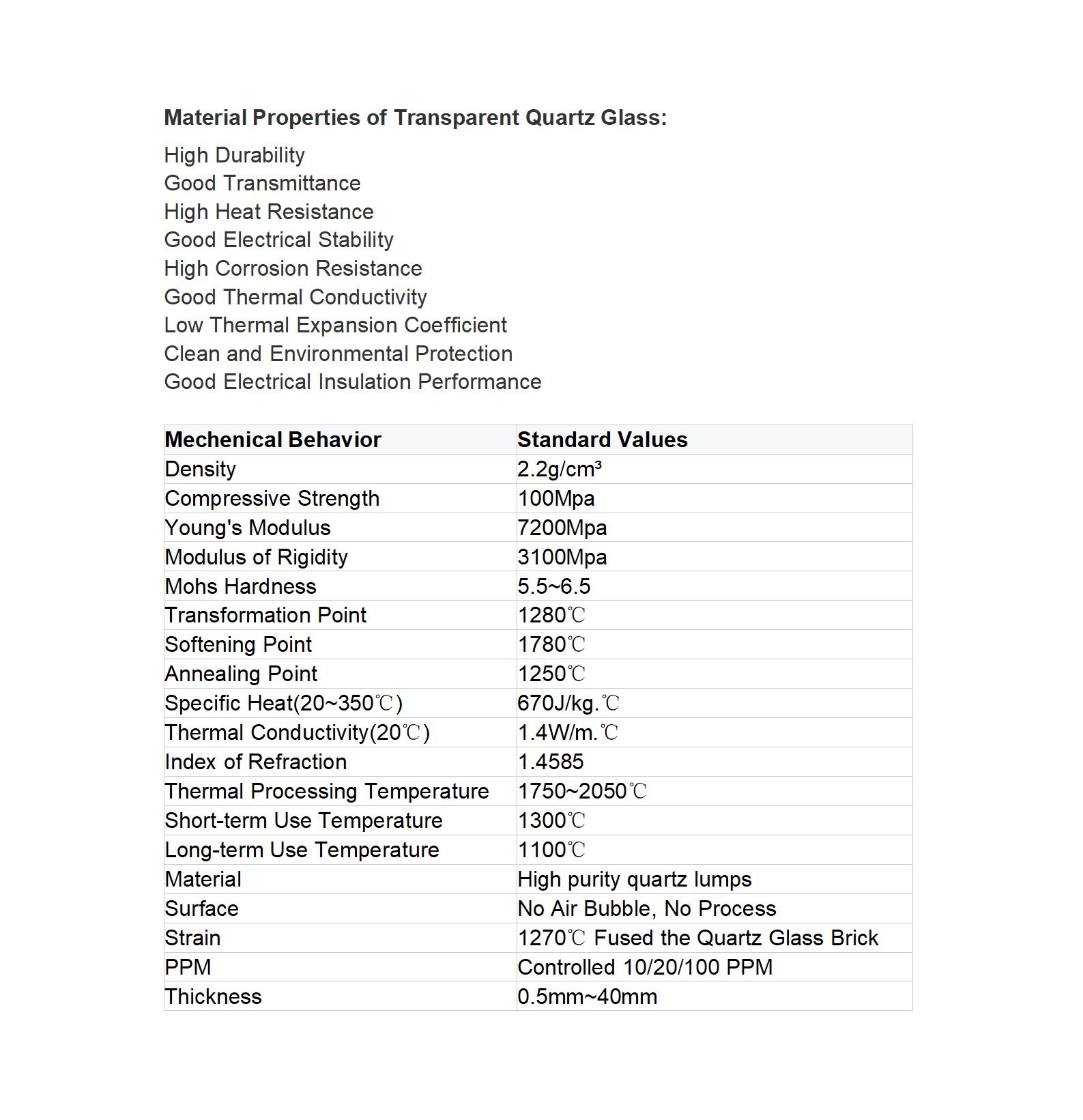
Quartz tubes have become an irreplaceable material in many high-end applications due to their high temperature resistance, chemical inertness, excellent optical properties, low thermal expansion, high electrical insulation, and high purity. Despite its high cost and brittleness, quartz tubes are still the preferred material in fields such as semiconductors, optics, chemicals, and electric light sources. In contrast, ordinary glass, metal, and plastic may have cost advantages in certain specific environments, but in extreme temperatures, corrosive environments, or high-precision optical applications, the comprehensive performance of quartz tubes far exceeds other materials.

Luverre Quartz is a manufacturer specializing in quartz tubes and other quartz items.We have over 18 years experience with the production of quartz tubes, we will be your reliable partner on quartz tubes and other quartz items.
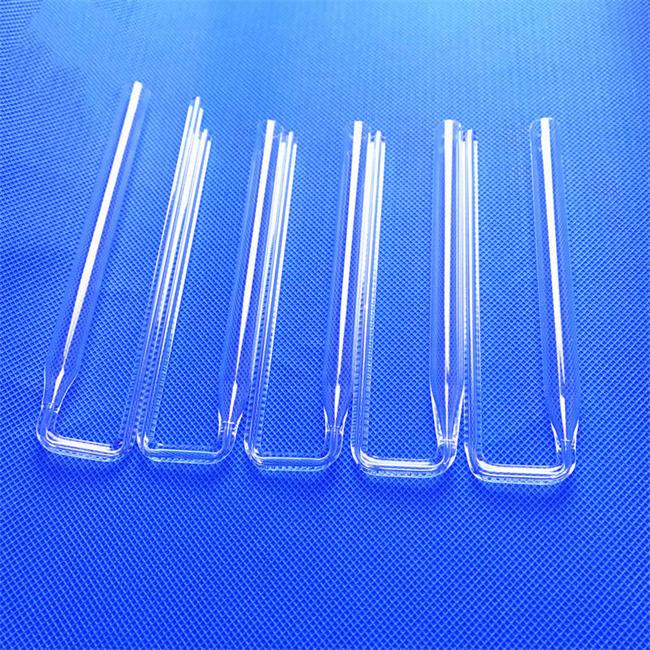
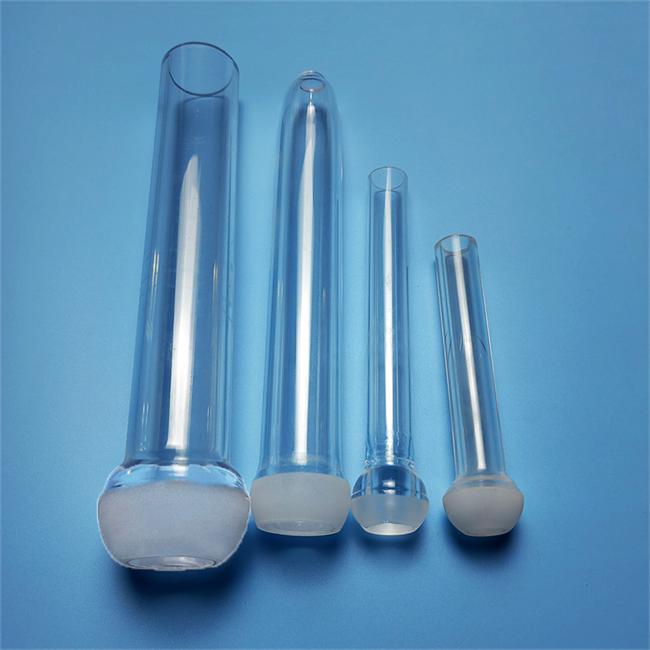
Luverre Quartz can manufacture customized quartz tubes in various shapes, such as spiral, square, round, with processing including cutting, bending, welding, etc., and available in different colors, such as transparent quartz tubes, opaque quartz tubes, milky white quartz tubes, red quartz tubes, and so on.